
POTHOLING / VACUUM EXCAVATION
Before any excavation begins, you need to know exactly where the pipes and utility lines underneath the site actually are. Standard locating services can tell you a line is somewhere in the area; potholing tells you exactly where.
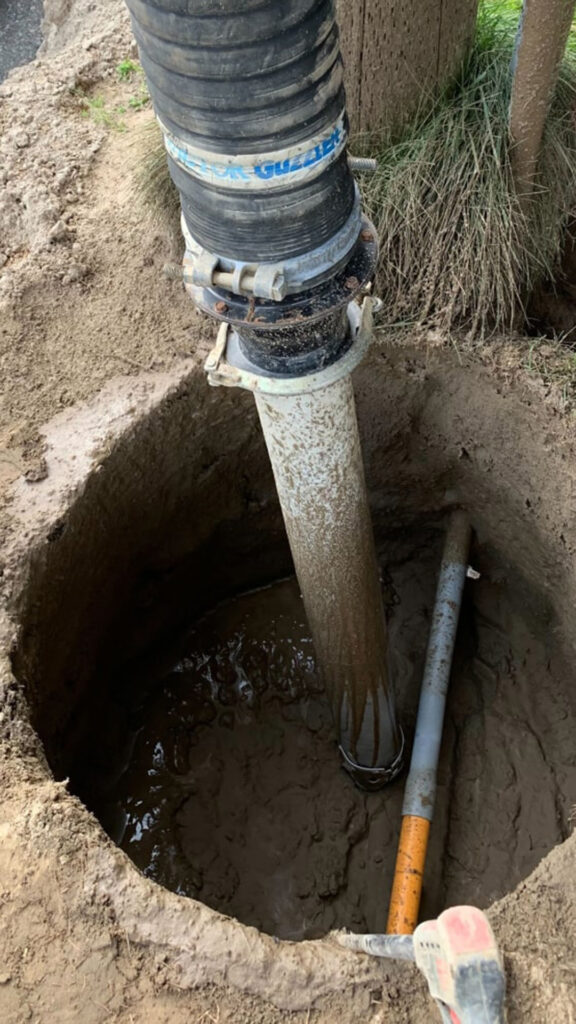
Potholing, also called vacuum excavation, uses a non-destructive vacuum process to dig small, precise holes down to a utility line and expose it directly, rather than estimating its location from the surface. It's the difference between a marked area and a confirmed one.
Why it matters
Hitting an unmarked or imprecisely located line during excavation is expensive, dangerous, and avoidable. Potholing confirms the exact depth and position of gas lines, fiber, water mains, and other utilities before equipment ever breaks ground nearby, so contractors and engineers can dig, bore, or design around them with confidence instead of a guess.
Potholing works in tight utility corridors and congested job sites where a wrong strike would shut the job down, and it's often required before HDD or trenching work near known utility lines.
Planning excavation near existing utility lines? Contact Williamson Fencing before you break ground.
F.A.Q.
What is potholing and why is it important?
Potholing — also called vacuum excavation or soft digging — is a non-destructive excavation method that uses high pressure water or air combined with a powerful vacuum to safely expose underground utilities without the risk of damaging them. Instead of blindly digging with mechanical equipment near existing underground lines, potholing allows our crew to precisely locate and visually confirm the depth, size, and position of buried utilities before any drilling, boring, or trenching begins. In Montana where underground utilities including gas lines, water mains, fiber optic cables, and electrical conduit crisscross most developed properties, potholing is a critical safety step that protects your property, protects our crew, and protects the surrounding infrastructure from costly and potentially dangerous damage.
When does Williamson Fence use vacuum excavation on a project?
Williamson Fence uses potholing whenever underground work is planned in areas where existing utilities may be present — which on most developed properties means virtually every project. Before we begin any Horizontal Directional Drilling, post installation, or underground conduit work, we use vacuum excavation to safely expose and confirm the location of any buried utilities in the work zone. While underground utility locating services like 811 provide general guidance on where utilities are buried, they do not always provide the precise depth and position information needed to drill or dig safely. Potholing gives our team the exact information we need to work confidently and safely around existing infrastructure.
Is vacuum excavation safe for my existing underground utilities?
Yes — vacuum excavation is specifically designed to expose underground utilities without damaging them. Unlike mechanical excavation methods that use steel teeth or bucket edges that can strike and damage buried lines, vacuum excavation uses pressurized water or air to gently break up the surrounding soil while the vacuum removes it — leaving the utility exposed and completely undamaged. It is the safest and most precise method available for working around existing underground infrastructure and is widely recognized across the construction and utility industry as the standard of care for utility exposure prior to underground work. Williamson Fence uses vacuum excavation as a standard part of our underground installation process because protecting your property and your existing utilities is never something we are willing to compromise on.